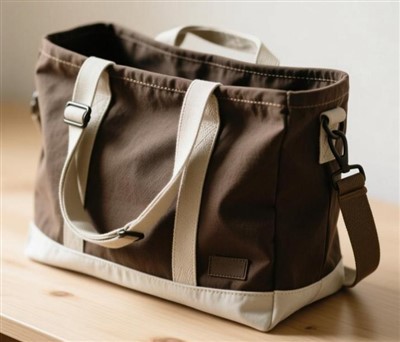
As a supplier of cartoon children's gift bags, understanding the storage requirements is crucial to maintaining the quality and integrity of our products. In this blog, we'll explore the key factors that influence the storage of these charming gift bags, ensuring they reach our customers in perfect condition.
Temperature and Humidity Control
One of the most critical aspects of storing cartoon children's gift bags is maintaining the right temperature and humidity levels. Extreme temperatures can cause the materials of the gift bags to expand or contract, leading to warping, creasing, or even damage to printed cartoon designs. High humidity can also promote the growth of mold and mildew, which is not only unsightly but can also affect the structural integrity of the bags.
Ideally, the storage area should be kept at a stable temperature between 18°C and 22°C (64°F - 72°F) and a relative humidity of around 40% - 60%. This range helps to preserve the quality of the bag materials, whether they are made of paper, plastic, or Laminated Non Woven Polypropylene Bags. Temperature - controlled warehouses are an excellent option for long - term storage, as they can provide a consistent environment regardless of external weather conditions.
Protection from Light
Exposure to direct sunlight or harsh artificial light can fade the bright and colorful cartoon images on the children's gift bags. Ultraviolet (UV) rays in sunlight are particularly damaging, as they can break down the pigments in the printing inks, causing the colors to become dull and less vibrant over time.
To protect the gift bags from light, it's advisable to store them in a dark or low - light environment. If the storage area has windows, consider using blinds or curtains to block out sunlight. Additionally, using opaque storage containers or wrapping the gift bags in light - blocking materials can further safeguard them from light damage.
Ventilation
Good ventilation is essential for preventing the buildup of stale air, odors, and moisture in the storage area. Stagnant air can lead to the development of musty smells and can also contribute to the growth of bacteria and fungi.
Adequate ventilation can be achieved through natural means, such as opening windows or using vents, or by installing mechanical ventilation systems. These systems can help to circulate fresh air throughout the storage space, keeping the gift bags dry and free from unpleasant odors.
Stacking and Handling
Proper stacking and handling of cartoon children's gift bags are important to prevent physical damage. When stacking the bags, it's crucial to ensure that the weight is evenly distributed to avoid crushing the bags at the bottom of the stack. Using pallets or shelves can help to organize the bags and provide support.
Avoid over - stacking the bags, as this can put excessive pressure on the lower layers and cause deformation. When handling the bags, use gentle techniques to prevent tearing or scuffing. Gloves can be worn to protect the bags from fingerprints and dirt.
Pest Control
Pests such as insects and rodents can pose a significant threat to the stored cartoon children's gift bags. Insects may chew on the bag materials, leaving holes and damage, while rodents can gnaw through the bags and contaminate them with their droppings.


To prevent pest infestations, keep the storage area clean and free of food debris. Seal any cracks or holes in the walls, floors, and ceilings to prevent pests from entering. Using pest - control measures such as traps and pesticides can also be effective, but it's important to use them in a safe and environmentally friendly manner.
Packaging and Labeling
Proper packaging and labeling of the gift bags can help with storage and inventory management. The bags should be packed in sturdy boxes or containers that provide protection during storage and transportation. Labeling each box with information such as the type of gift bag, quantity, and date of storage can make it easier to locate specific products when needed.
If the gift bags are made of different materials or have different designs, it's a good idea to separate them into different storage areas or use color - coded labels for easy identification. This can also help to prevent cross - contamination between different types of bags.
Compatibility with Other Products
When storing cartoon children's gift bags, it's important to consider their compatibility with other products in the storage area. Some chemicals or substances may react with the materials of the gift bags, causing damage or discoloration.
For example, if the storage area also contains cleaning agents or solvents, make sure they are stored separately from the gift bags. Additionally, avoid storing the gift bags near products with strong odors, as the bags may absorb these odors, which can be unpleasant for the end - users.
Regular Inspections
Regular inspections of the stored gift bags are essential to detect any signs of damage, deterioration, or pest infestations early. Inspect the bags for any visible signs of wear, tear, mold, or discoloration. Check the packaging and labels to ensure they are still intact and legible.
If any issues are found during the inspection, take immediate action to address them. This may involve moving the affected bags to a different storage area, treating them for pests or mold, or discarding them if they are beyond repair.
Conclusion
Proper storage of cartoon children's gift bags is essential for maintaining their quality and ensuring they meet the high standards expected by our customers. By controlling temperature and humidity, protecting from light, providing adequate ventilation, handling with care, preventing pest infestations, and conducting regular inspections, we can ensure that our gift bags are in perfect condition when they reach our customers.
If you're interested in purchasing our high - quality cartoon children's gift bags, we invite you to contact us for a detailed discussion about your specific requirements. We're committed to providing the best products and services to meet your needs.
References
- "Storage and Handling of Packaging Materials" - Packaging Institute
- "Environmental Factors Affecting Product Storage" - Journal of Storage Science